
Contents
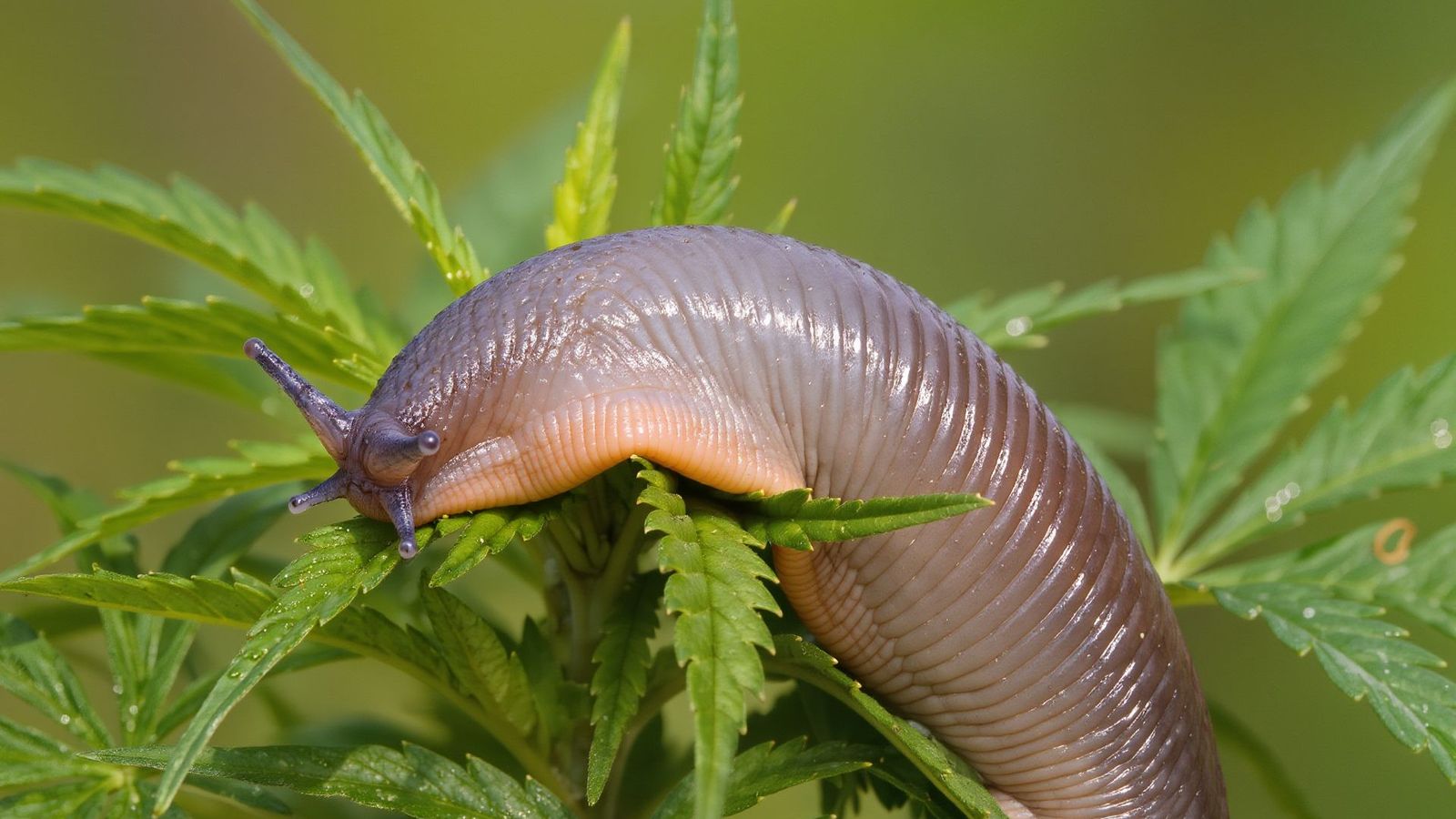
A pest infestation can ruin a grow in just a few days. The good news: if you check regularly, you spot most troublemakers early and get rid of them before bigger damage occurs. This guide shows you the most common pests and diseases, their typical traces and what to do about them.
Spot an infestation early
Early detection is everything. Make it a routine:
- Check leaf undersides, that is where most pests sit.
- Use a magnifier or USB microscope, many creatures are tiny.
- Hang up yellow sticky traps, they catch flying pests and show infestation early.
- Observe new plants and cuttings before they join the others (quarantine).
The most common pests
- arachnid
Spider mites
Tiny light speckles on the leaves, later fine webs on shoots. The underside looks pin-pricked.
Immediately: isolate the affected plant, rinse the leaf undersides, raise the humidity (mites like it dry).
- insect
Thrips
Silvery to bronze streaks on the leaves, plus tiny black droppings. Small, elongated insects.
Immediately: yellow traps, remove affected leaves, rinse off.
- larva in the substrate
Fungus gnats
Small black flies above the soil; the larvae in the wet medium damage the roots. Especially with waterlogging.
Immediately: let the surface dry out, water less, yellow traps.
- insect
Aphids
Colonies on young shoots and leaf undersides, sticky honeydew, curled leaves.
Immediately: collect or rinse off, introduce beneficial insects (e.g. ladybirds/lacewings).
- flying insect
Whitefly
Tiny white flies that swarm up when you touch the plant. Also sticky honeydew.
Immediately: yellow traps, rinse undersides, beneficial insects.
Diseases: powdery mildew and hop latent viroid
It is not only animals that cause problems. Two diseases you should know:
- fungus
Powdery mildew
A white, floury coating on the upper leaf surfaces that spreads quickly. Encouraged by high humidity, little air movement and plants standing too densely.
Immediately: lower the humidity, increase air circulation, remove affected leaves and dispose of them in the general waste (do not compost). During flowering do not spray onto the buds.
- viroid
Hop latent viroid (HLVd)
A widespread pathogen in the cannabis scene, often unnoticed for a long time ("latent"). Signs: stunted growth, brittle stems, fewer trichomes, weaker aroma and lower yield ("dudding").
Important: no cure. It spreads mainly via tools, hands and cuttings. Remove affected plants, disinfect cutting tools between cuts, only clone from healthy mother plants. If suspected, a lab test clarifies it.
You prevent both above all with hygiene and a good climate: disinfect cutting tools, keep the grow space clean, ensure air movement and keep humidity in check.
What to do in case of infestation?
- Isolate: separate the affected plant from the others immediately.
- Remove mechanically: cut off heavily infested leaves, rinse off or collect the creatures.
- Use beneficial insects: e.g. predatory mites against spider mites, this is especially gentle during flowering.
- Gentle remedies: preparations based on neem or potassium soap from a specialist retailer, per instructions.
- Careful during flowering: avoid spraying onto the buds if possible, that encourages residues and mould. Better to rely on beneficial insects here.
- Adjust the climate: many pests love warm, dry or stuffy air. Ensure air movement and suitable values.
Prevention is better than cure
- Cleanliness: keep the grow space, tools and pots clean.
- Quarantine for new plants and cuttings.
- Climate under control: see the guide values in the beginner's guide.
- Do not overwater: moist surfaces attract fungus gnats.
- Strong plants cope better with stress and infestation. Plant strengthening such as Vita+ supports this from within.
Identification by photo
Not sure what is crawling there?
Send us a photo of the leaf damage and the creature in the chat, we will help with identification and the right approach.
What comes next
- Spotting and fixing nutrient deficiencies (reliably tell a pest from a deficiency)
- Cannabis growing for beginners (climate and basics)
- Measuring pH and EC correctly (healthy roots, robust plant)
Matching products
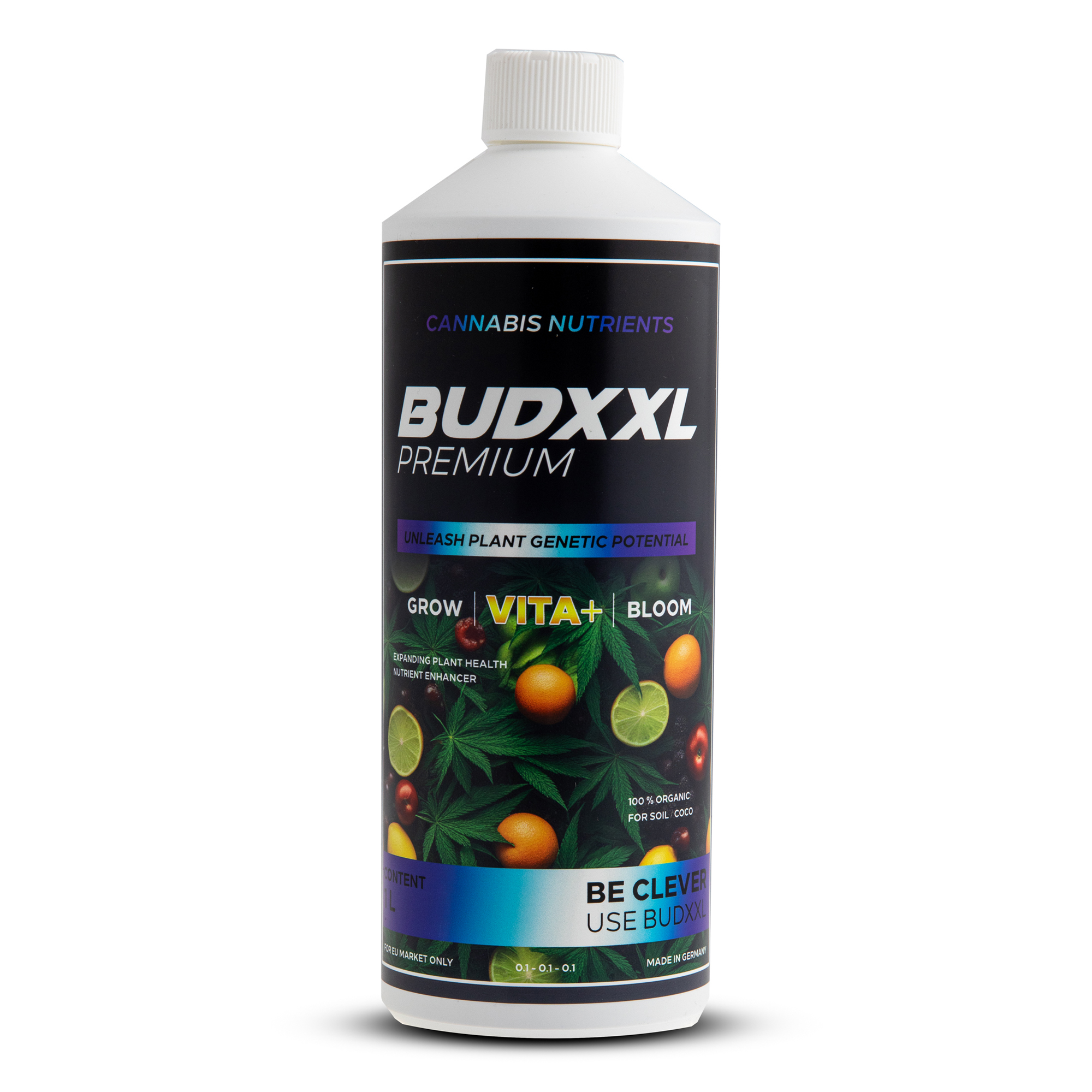 BUDXXL Vita+
Vita+ is not a plant protection product but strengthens the plant. Against acute infestation, use suitable products or beneficial insects from a specialist retailer.
Sources
- Punja, Z. K. et al. (2019): Pathogens and Molds Affecting Production and Quality of Cannabis sativa L. Frontiers in Plant Science 10:1120. doi.org/10.3389/fpls.2019.01120
- Factors Influencing the Efficacy of Biological Control Agents Used to Manage Insect Pests in Indoor Cannabis (2022). Frontiers in Agronomy 4:795989. doi.org/10.3389/fagro.2022.795989
- New Insights into Hop Latent Viroid Detection, Infectivity, Host Range, and Transmission (2024). Viruses 16(1):30. doi.org/10.3390/v16010030
Legal note: The private cultivation of cannabis has been permitted in Germany for adults within the legally regulated framework since the Consumer Cannabis Act (CanG, 2024) (personal use, limited number of plants, no access for minors). This article is for information and does not replace legal advice. Always use plant protection products according to their approval and instructions.