
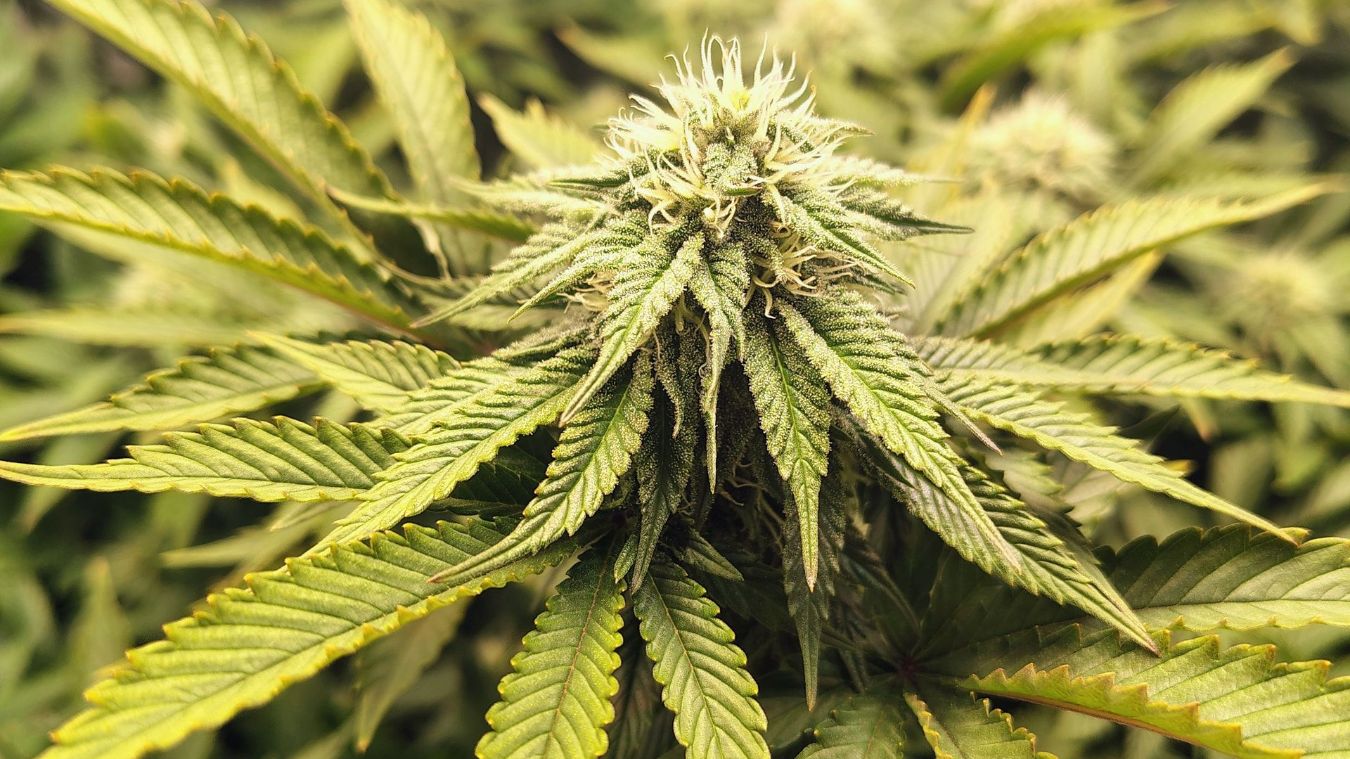
Contents
Yellow leaves, brown edges, spots? Your plant shows you quite precisely what it lacks, if you can read the signs. This guide helps you quickly recognise the most common nutrient deficiencies in cannabis and fix them in a targeted way, instead of experimenting blindly.
Old or new leaves? That tells a lot
A simple trick for narrowing it down: some nutrients are mobile, the plant can move them from old leaves into new ones. Their deficiency therefore shows first on lower, older leaves. Others are immobile and stay where they are. Their deficiency hits the young shoots at the top first.
The most common deficiencies in detail
- mobile
Nitrogen (N)
Lower leaves yellow evenly, the plant looks pale. In late flowering, slight yellowing is normal.
Fix: in the vegetative phase, raise Grow.
- mobile
Magnesium (Mg)
Yellow between the leaf veins on middle and lower leaves, the veins stay green.
Fix: raise CalMag, check pH.
- immobile
Calcium (Ca)
Brown spots and crippled, twisted new growth at the tip.
Fix: raise CalMag, especially in coco and with soft water.
- mobile
Potassium (K)
Burnt, brown leaf edges and tips, often in full flower.
- mobile
Phosphorus (P)
Dark green to bluish leaves, often with purple stems, growth stalls.
Fix: ensure Bloom and Candy during flowering, avoid low temperatures.
- immobile
Iron (Fe)
Young leaves at the top turn pale yellow, the veins stay green.
Fix: almost always a pH problem. Bring pH into the target range.
The other extreme: overfeeding
Not every symptom is a deficiency. With overfeeding ("nutrient burn") the leaf tips look burnt, are glossy-dark and claw downward. Then: lower the EC, cut back the dosage and, when in doubt, flush the medium with clear water.
How to prevent deficiencies
- Feed to a plan instead of by feel, see the BudXXL feeding schedule.
- Keep pH stable, the most important prevention against apparent deficiencies.
- Run CalMag alongside, especially in coco and with soft water.
- Stay calm: only change one thing at a time and give the plant a few days.
Diagnosis by photo
Not sure which deficiency it is?
Send us a photo of the affected leaves in the chat, we will help you identify it.
What comes next
- Measuring pH and EC correctly (rule out the most common cause of deficiencies)
- Spotting and fighting pests (if it is not a deficiency after all)
- The BudXXL feeding schedule explained (the complete feeding plan)
- Cannabis growing for beginners (the big overview)
Matching products
 BudXXL CalMag
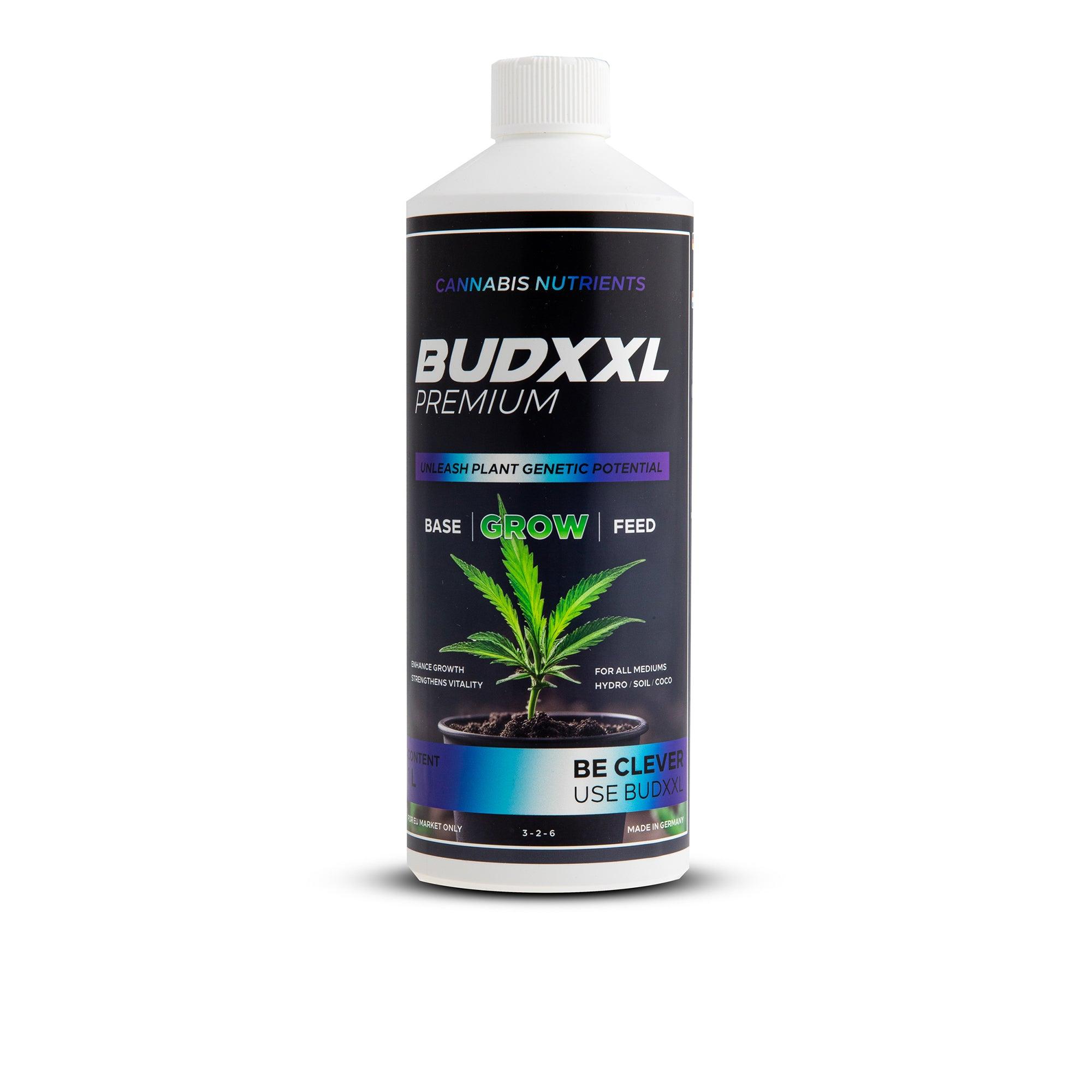 BudXXL Grow
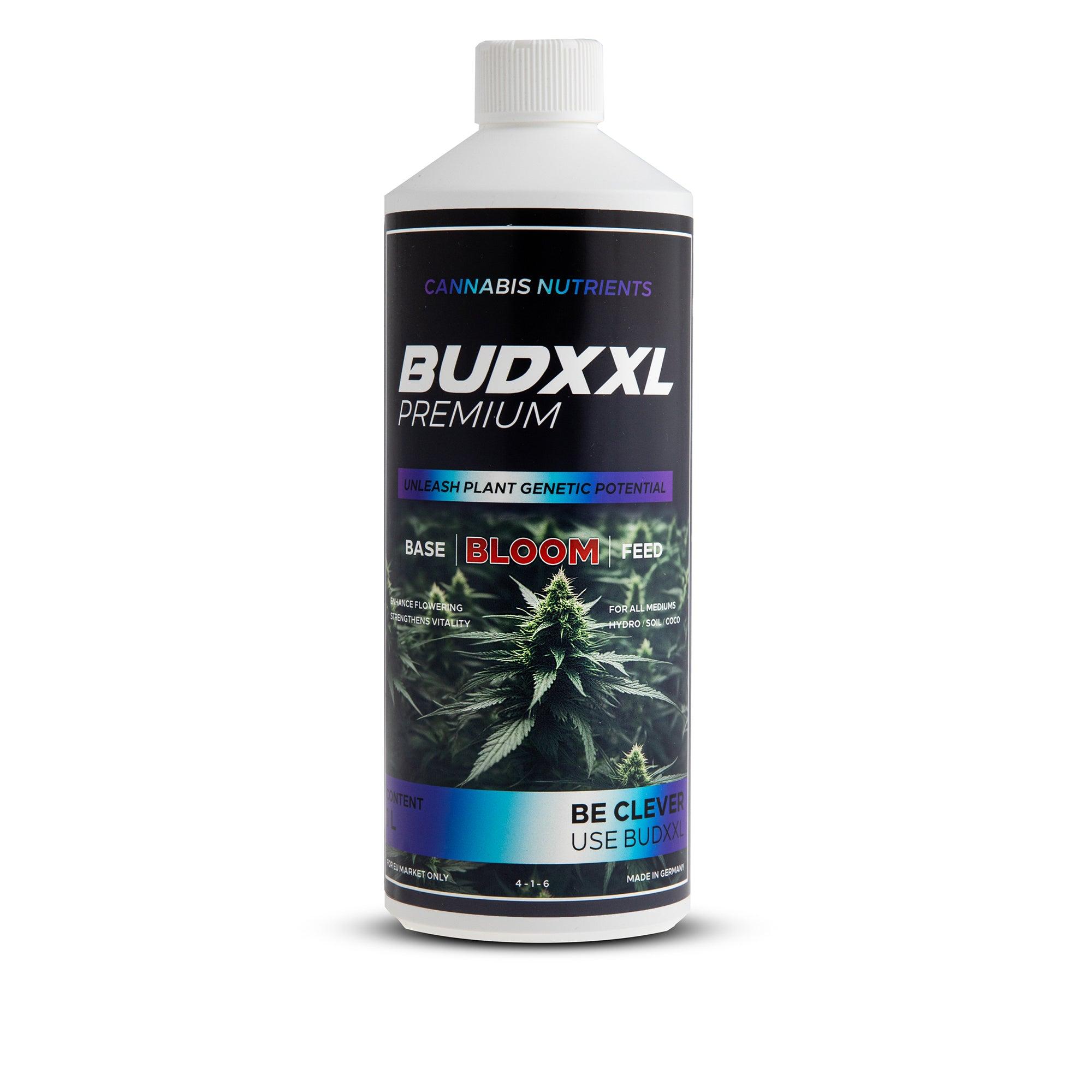 BudXXL Bloom
Sources
- Cockson, P., Landis, H., Smith, T., Hicks, K., Whipker, B. E. (2019): Characterization of Nutrient Disorders of Cannabis sativa. Applied Sciences 9(20):4432. doi.org/10.3390/app9204432
- Saloner, A. & Bernstein, N. (2020): Response of Medical Cannabis to Nitrogen Supply Under Long Photoperiod. Frontiers in Plant Science 11:572293. doi.org/10.3389/fpls.2020.572293
Legal note: The private cultivation of cannabis has been permitted in Germany for adults within the legally regulated framework since the Consumer Cannabis Act (CanG, 2024) (personal use, limited number of plants, no access for minors). This article is for information and does not replace legal advice.